Role: Director of Product Management and User Experience · LBG engagement
Music as a clinical intervention for people living with dementia.
The platform personalizes music to each resident and reads how their body responds during a session, giving care teams objective insight into how the intervention is working.
Music as a Clinical Intervention
Music has measurable therapeutic effects, but proving them in a care setting is hard. Rubato needed to turn a research-backed idea into a platform therapists could use during a session, that respected each resident's history and preferences, and that produced evidence a clinical team could act on.
Physiology as the Product
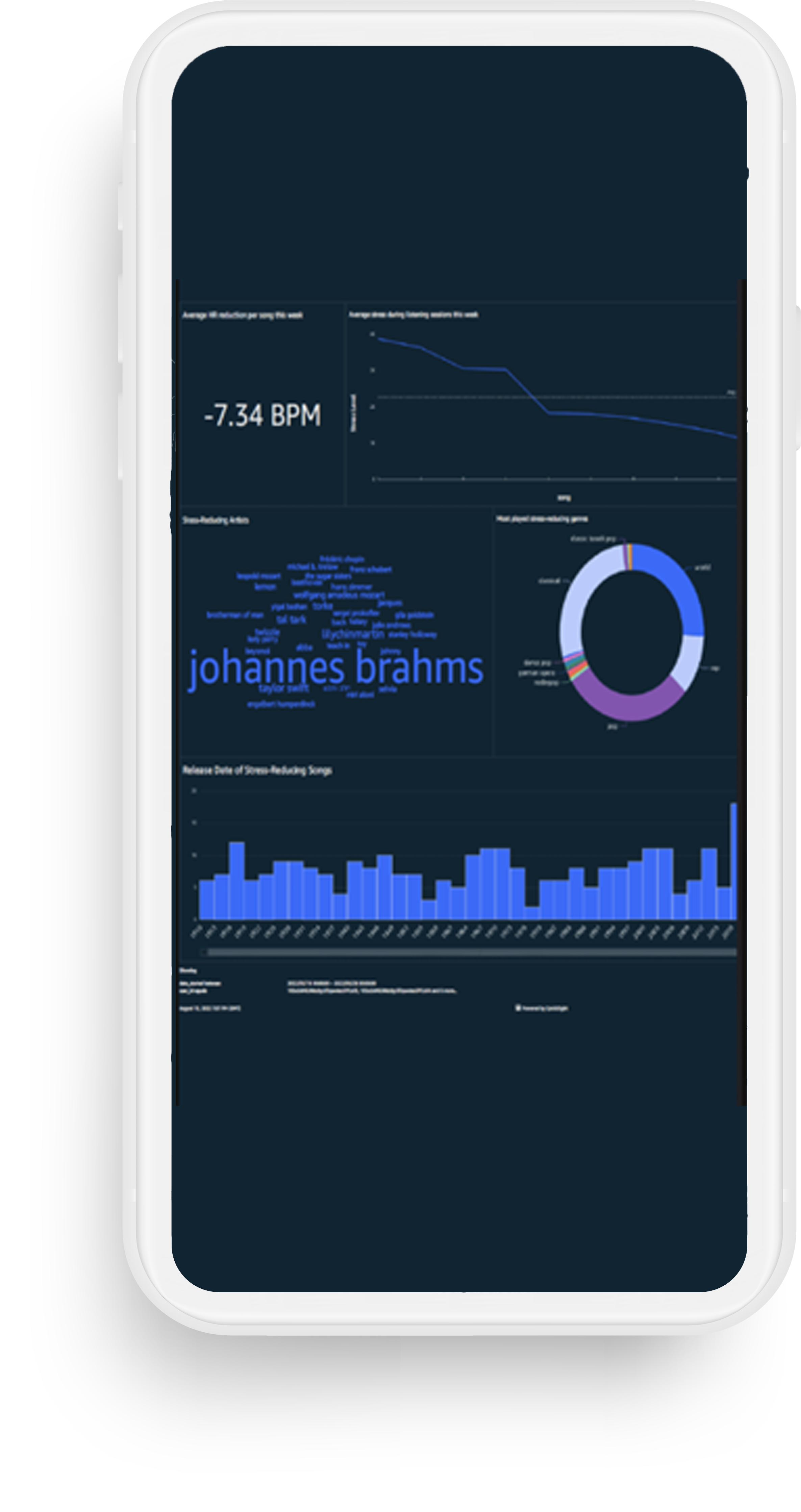
The core decision was to treat physiological response as the product, not a feature. Music selection was the visible layer, but the value sat in what the body did during a session and whether a care team could see it.

Personalization With a Clinical Purpose
Personalization had to balance therapeutic potential against a comfortable first session, spanning genres and languages and aligning to goals like reminiscence. That shaped which integrations mattered and what the recommendation engine optimized for.
Built for the Care Team, Not Just the Listener
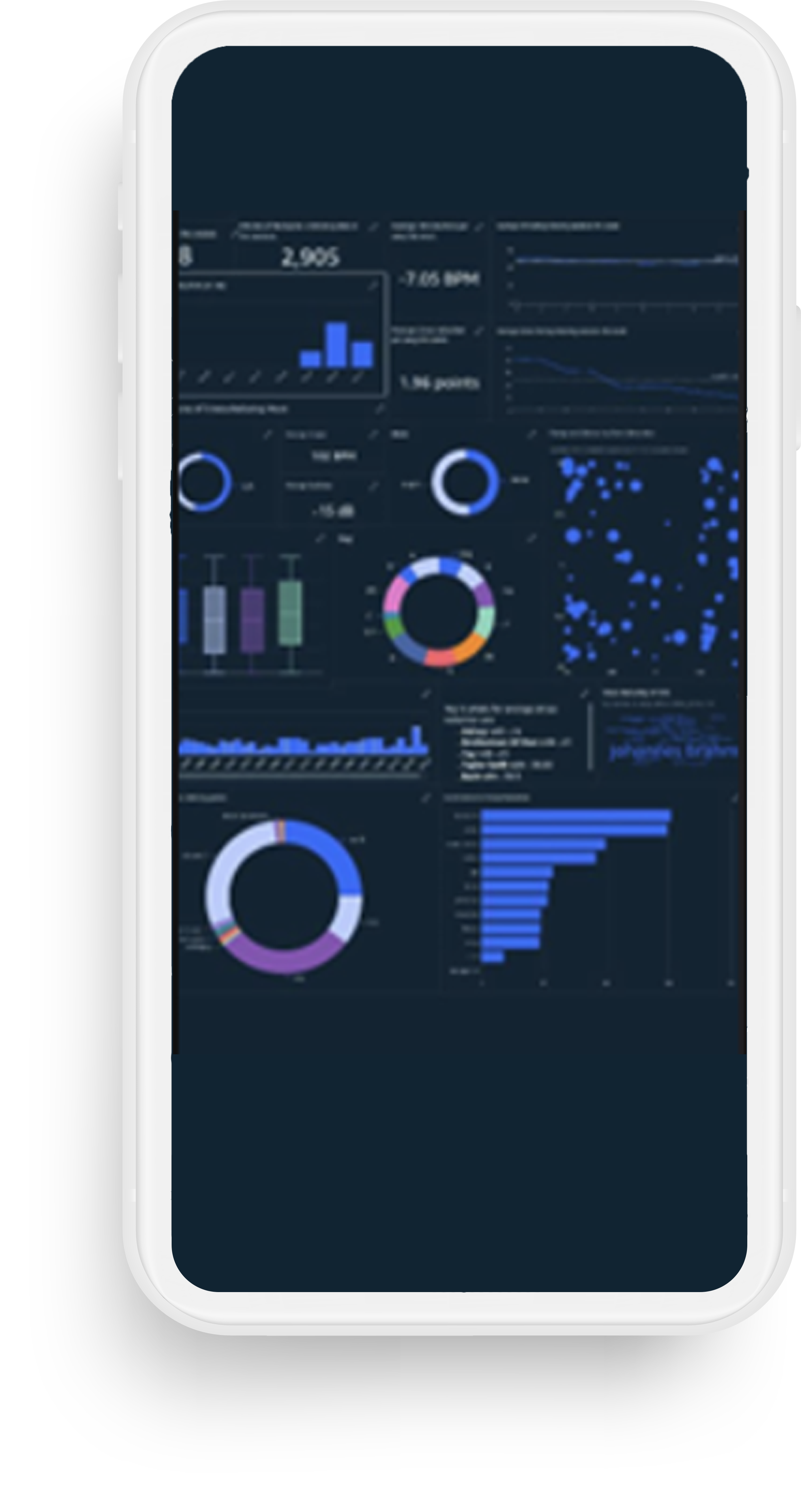
A therapist needs to see what happened in thirty seconds. We designed for both users at once: the resident experiencing the session, and the clinician responsible for interpreting it.
Highlighted Initiatives
- Strategic business roadmap — Set the product direction and roadmap from concept toward a platform that could prove its clinical effectiveness.
- Feature development — Defined and prioritized the features connecting wearables, music providers, and the recommendation engine.
- v2 prototype — Led development of the second-generation prototype, evolving the product past its first build.
- Cross-functional product lead — Directed the work across product, UX, and engineering as the platform took shape.
Where It Went
The v2 prototype and roadmap became the foundation Rubato built on. The platform is now in clinical use in dementia care settings.
Clinical use
Deployed in real dementia care settings with therapists and nurses
Multilingual
Personalization across a wider range of genres and languages
Session insight
Physiological response made visible to the care team
What We Learned
Designing for two users at once is the hard part. The resident experiences the session. The therapist has to interpret it. Early on we optimized for the listener and the clinical view lagged. The version that worked treated the care team as a first-class user with its own needs, not an admin layer bolted onto a consumer product.
Brands That Trust Us